
Understanding Chemical Peels for Skin Improvement
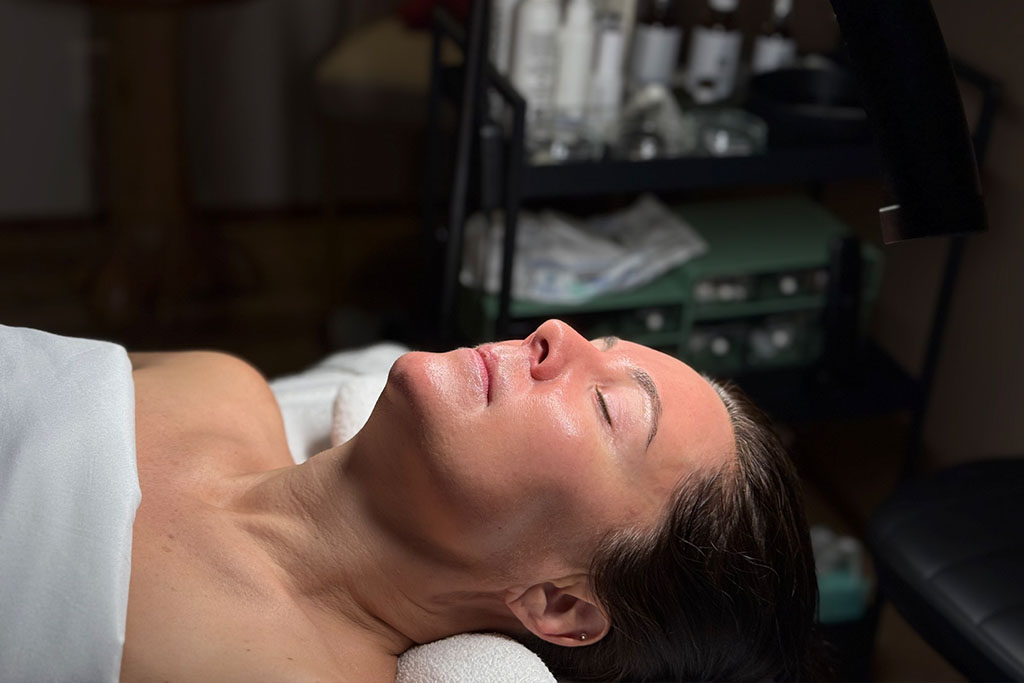
Chemical peels are one of the most effective professional treatments for improving skin texture, tone, and overall clarity. By removing damaged outer layers, they reveal fresher, healthier skin underneath and support natural skin renewal. While results vary based on peel depth and individual concerns, many people notice visible improvements after just one session.
Common concerns like uneven skin tone, acne scars, fine lines, and sun damage are among the top reasons people turn to chemical peels. According to the American Society of Plastic Surgeons 2024 Statistics Report, chemical peels consistently rank among the most popular nonsurgical cosmetic procedures in the United States, highlighting strong and growing demand for results-driven skincare treatments.
At The Resort Medspa and Wellness Center, we see this every day. Many clients come in frustrated after trying multiple products that fail to deliver noticeable results. In many cases, a properly selected chemical peel can make a meaningful difference, improving visible skin concerns while supporting long-term skin health and renewal.
Key Takeaways
- Chemical peels remove damaged skin layers to improve tone, texture, and clarity.
- The right peel type depends on your skin concerns, skin tone, and downtime availability.
- Superficial peels require little to no downtime, while medium and deep peels involve a recovery period.
- Chemical peels for acne scars are especially effective when paired with a consistent skincare routine.
- Results typically last several months, and maintenance peels extend those benefits.
- A professional consultation is the best way to know which peel is right for your skin.
- Side effects are usually mild and temporary when performed by a trained provider, though risks such as irritation or pigment changes can occur.
How Chemical Peels Actually Work
Chemical peels use a carefully formulated acid solution applied directly to the skin. The solution breaks down the bonds holding dead and damaged cells to the surface. As those cells shed over several days, newer skin underneath is revealed.
The process sounds simple, but the details matter. Acid type, concentration, and application time all affect the outcome. A provider who understands skin physiology and knows how to read a client’s skin typically achieves more consistent and noticeable results than at-home kits.
The Three Peel Depths Explained
Superficial peels use mild acids like glycolic or lactic acid. They target the outermost layer of skin (the epidermis) and are ideal for brightening, light texture improvement, and mild discoloration. Downtime is minimal, usually just some light flaking over a few days.
Medium peels typically penetrate into the upper dermis. They are more effective for treating fine lines, moderate sun damage, and acne scarring. Expect several days of visible peeling and some redness. Results are more dramatic than superficial options.
Deep peels reach the mid-dermis and produce significant resurfacing. These are typically used for more advanced aging or scarring concerns. Recovery takes longer, and this depth is only appropriate for select skin types and conditions.
What Happens to Your Skin After a Peel
In the days following a peel, your skin enters a natural renewal process. The outer layer begins to peel or flake away, which can feel tight and look a little rough. This is expected and often indicates the skin renewal process is underway.
Underneath, new skin cells are maturing and rising to the surface. That new skin tends to be smoother, more even in tone, and better able to absorb your skincare products. It also reflects light more evenly, which contributes to the “glow” people often describe after their first peel.
Do Chemical Peels Hurt?
This is one of the most common questions we hear. The honest answer: it depends on the peel depth, your skin sensitivity, and your personal tolerance. Most people find chemical peels manageable and far less uncomfortable than they expected.
What Superficial and Medium Peels Feel Like
Superficial peels typically cause a mild tingling or warming sensation during application. Some clients describe it as similar to a light sunburn feeling. It usually passes within a few minutes of the peel being neutralized or removed.
Medium peels can feel more intense. A stinging sensation is common, and some providers use a handheld fan during the treatment to manage discomfort. Your skin may feel tender for a day or two afterward.
Managing Discomfort During Treatment
A skilled provider knows how to manage the experience. Pre-treatment skin prep, proper application technique, and neutralization timing all reduce discomfort significantly. If you have sensitive skin or previous reactions to skincare acids, communicate that clearly during your consultation.
At The Resort Medspa and Wellness Center in Auburn, WA, your provider walks you through what to expect before the treatment begins. That preparation alone makes a big difference in how comfortable the experience feels.
Chemical Peels for Acne Scars and Uneven Skin Tone
Acne scars are one of the most well-studied and responsive concerns when it comes to chemical peels. A peer-reviewed review in the Journal of Clinical and Aesthetic Dermatology found that chemical peels, particularly those using salicylic acid and trichloroacetic acid (TCA), produced meaningful improvement in acne scarring with a strong safety profile.
The key to effective results lies in matching the peel formula to the type of scarring. Superficial peels, such as glycolic or salicylic acid, are typically most effective for post-inflammatory hyperpigmentation and mild textural irregularities. Medium-depth peels, including TCA, may be more appropriate for deeper or more noticeable textural scars. However, results vary by individual, and a series of treatments is usually needed to achieve visible, lasting improvement.
Why a Series of Peels Produces Better Results
A single peel can produce noticeable improvement, but a series of treatments builds on those results progressively. Each session removes another layer of damaged skin, gradually reducing the depth and visibility of scarring.
Most providers recommend a series of three to six peels spaced four to six weeks apart for acne scar treatment. Between sessions, your skin needs time to fully heal and regenerate. Rushing the timeline doesn’t speed results. It increases the risk of irritation.
Peels for Hyperpigmentation and Sun Damage
Hyperpigmentation, including melasma and sun spots, responds well to peels that target melanin production in the skin. Glycolic acid peels are commonly used for this purpose and have a strong track record for improving uneven tone.
For clients in the Auburn and greater South King County area, where outdoor activities contribute to cumulative sun exposure over the years, peels can be a practical way to address that gradual buildup of sun damage.
How Long Do Chemical Peels Last?
Results from a chemical peel are not permanent, but they do last. The longevity depends on the peel depth, your skincare habits, and how much ongoing sun exposure your skin gets.
Results from superficial peels often last around one to two months. Medium peels can last three to six months or longer, especially when maintained with a good skincare routine and sun protection. Deep peels produce the longest-lasting results, sometimes several years, though they are less frequently performed.
Extending Your Results at Home
What you do between treatments directly affects how long your results last. Daily SPF use is the single most important step. UV exposure is the primary driver of the skin damage that peels correct. Skipping sunscreen significantly shortens how long your results hold.
A consistent routine that includes a gentle cleanser, hydrating serum, and broad-spectrum SPF 30 or higher supports your skin’s renewal process and slows the return of damage. Your provider can recommend products that are compatible with post-peel skin.
Maintenance Peels Keep Results Going
Many clients find that scheduling a superficial peel every six to eight weeks keeps their skin looking consistently clear and bright. This approach treats new surface concerns as they develop rather than waiting for damage to accumulate again.
You can explore the chemical peels services at The Resort Medspa for a breakdown of available options and what each one addresses.
Who Gets the Best Results from Chemical Peels
Chemical peels work well for a wide range of skin concerns, but they are not one-size-fits-all. The best results come from matching the peel to both the concern and the individual’s skin type.
Strong candidates for superficial peels typically include individuals with mild discoloration, dullness, or early signs of aging who want minimal downtime. Medium-depth peels may be more appropriate for patients with moderate sun damage, visible fine lines, or acne scarring, provided their skin type and medical history are carefully evaluated.
People with lighter skin tones typically have more flexibility in peel depth and acid type. Deeper or more aggressive peels can carry a higher risk of post-inflammatory hyperpigmentation in medium and darker skin tones, which is why provider experience and proper formulation matter so much.
Skin Concerns That Respond Well to Peels
The following concerns have consistent evidence supporting chemical peel effectiveness:
- Fine lines and early signs of aging. Glycolic acid peels have been shown to support collagen production, which gradually improves skin firmness and reduces the appearance of fine lines. A 2021 study in the Journal of Cosmetic Dermatology confirmed these effects on epidermal renewal.
- Active acne. Salicylic acid peels penetrate into pores to clear debris and reduce inflammation. They can help reduce active breakouts and lower the likelihood of new blemishes forming.
- Dull or uneven texture. Surface dullness is often caused by buildup of dead skin cells. Even a light peel removes this layer and improves how the skin reflects light, creating a smoother appearance.
When to Consider a Different Treatment
Peels are not recommended for people with active cold sores, open wounds, or sunburned skin at the time of treatment. They are also not the best option for very deep, textural acne scars, where treatments like microneedling or laser resurfacing may produce better structural improvement.
A consultation with a trained provider gives you a clear picture of what will actually address your concerns. If a peel isn’t the right fit, a good provider will tell you that directly.
Final Thoughts
Chemical peels are a well-established, evidence-backed treatment for a wide range of skin concerns. They can be effective when appropriately selected based on the individual’s skin type, concern, and peel depth. Superficial peels are low-risk with minimal downtime. Medium peels deliver more significant results for concerns like acne scarring and moderate sun damage. Results last months, and they last longer with proper post-care and ongoing sun protection.
The right peel for your skin depends on your specific goals, skin type, and how much downtime you’re willing to work with. That’s not a question a product label can answer. At The Resort Medspa and Wellness Center in Auburn, WA, our team takes the time to evaluate your skin and recommend a treatment plan that fits your lifestyle and your goals. If you’re considering whether a chemical peel may be a suitable next step, a professional consultation can help you better understand your options and what to expect.
Frequently Asked Questions
Are chemical peels worth it for treating acne scars and uneven skin tone?
Yes. Chemical peels can be effective for certain types of acne scars, particularly superficial scars and discoloration. Acids like salicylic and glycolic acid reduce discoloration, smooth texture, and stimulate cell renewal over time. A series of treatments typically produces more noticeable improvement than a single session.
How long do chemical peels last, and how often should I get them?
Results from a superficial peel typically last one to two months, while medium-depth peels can last three to six months or longer. Many people choose maintenance peels every six to eight weeks to sustain results, supported by daily SPF and a consistent skincare routine.
Do chemical peels hurt, and what should I expect during the treatment?
Most clients experience mild tingling or brief stinging during application, especially with superficial and medium peels. Discomfort is usually short-lived and manageable, and providers can adjust the treatment based on your skin sensitivity.
What is the process for a professional chemical peel, and how do I prepare my skin?
A provider evaluates your skin, selects the appropriate peel, and applies the solution after cleansing. Preparation typically includes avoiding retinoids, exfoliants, and excessive sun exposure for several days beforehand.
What results can I realistically expect from chemical peels in Auburn, WA?
Clients often see improvement in brightness, texture, and overall tone. Results vary based on peel depth and the condition being treated, and multiple sessions typically produce more noticeable, cumulative improvements over time.
How much do chemical peels cost?
The cost of chemical peels varies depending on the type and depth of the peel, as well as the number of sessions needed. Superficial peels are typically more affordable, while medium and deep peels cost more due to their intensity and results. A consultation is the best way to determine the right treatment plan and overall investment for your skin.
Share This Post
You Might Like
Is Laser Hair Removal Permanent? What to Know Before You Start
Understanding Chemical Peels for Skin Improvement
Experience Skinclusive Care at Its Finest
Book your consultation or treatment at The Resort Medspa. Click or call (253) 275-0936 today.