
Is Laser Hair Removal Permanent? What to Know Before You Start
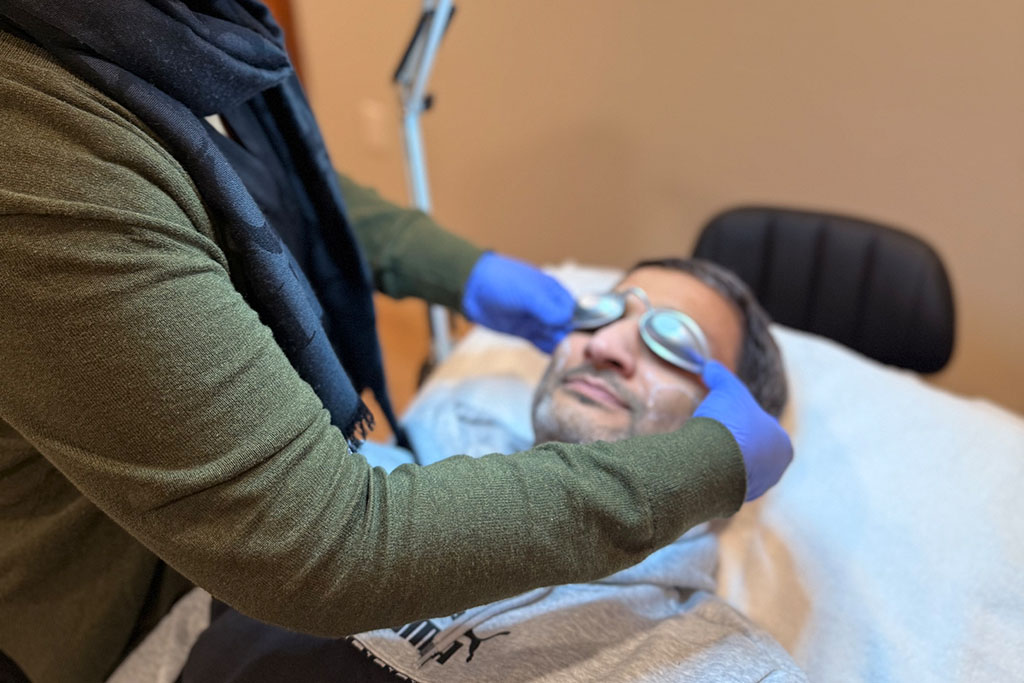
Laser hair removal is one of the most effective ways to achieve long-term reduction of unwanted hair, but it’s important to understand what that actually means. Rather than completely eliminating every hair, the treatment significantly reduces how much hair grows back over time. Many people see substantial long-term hair reduction after a full treatment series, with any regrowth often appearing finer and less noticeable.
That distinction matters because it shapes your expectations going into treatment. In simple terms, “permanent” hair reduction means a lasting decrease in how much hair grows back over time, not complete removal. Some regrowth can still happen months or even years after your final session, and that’s completely normal. It’s not a failure of the treatment, but a reflection of how hair follicles naturally function. A knowledgeable provider will explain this upfront so you know exactly what results to expect.
If you’re weighing whether a laser is right for you, the honest answer is that it delivers noticeable and lasting results for most people, especially with the right technology matched to your skin tone and hair type. With a consistent treatment plan, hair grows back slower and less dense, making everyday maintenance much easier. For anyone tired of frequent shaving or dealing with irritation from waxing, that difference can be significant.
At The Resort Medspa in Auburn, WA, we think you deserve honest answers before you book your first appointment.
Key Takeaways
- Laser hair removal is considered “permanent hair reduction,” which means long-term reduction in hair growth and not complete removal.
- Most people require 6–9 sessions spaced several weeks apart to target hair across all growth phases.
- Results vary based on hair color, skin tone, the body area being treated, and hormone levels.
- Darker skin tones can be treated safely and effectively with the right laser technology designed for your skin tone, such as advanced diode systems with integrated cooling like the Elysion Pro.
- Discomfort is real but generally mild, most people rate it between a 3 and 5 on a 10-point scale.
- Annual touch-up sessions help maintain results over the long term, especially in hormonally active areas.
- Choosing a qualified, experienced provider is one of the biggest factors in whether you get good results.
How Laser Hair Removal Actually Works
To understand what “permanent” means in this context, it helps to understand the basics of how the treatment works.
Lasers use a principle called selective photothermolysis. The device emits concentrated light that gets absorbed by the melanin (pigment) inside the hair shaft. That light converts to heat, which travels down to the follicle and damages the cells responsible for growing new hair. When enough damage accumulates across multiple sessions, the follicle can no longer produce a terminal hair.
Why Multiple Sessions Are Always Required
Hair doesn’t all grow at the same time. It cycles through active growth (anagen), transition (catagen), and resting (telogen) phases. Lasers only effectively target hairs in the anagen phase. At any given time, only a portion of your hair is in this phase. Multiple sessions spaced weeks apart are necessary for comprehensive results. This is why a single treatment is never enough.
Each session catches a new round of follicles in that active window, which is why spacing and consistency matter so much.
What Determines Whether Hair Grows Back
Not every treated follicle is permanently disabled. Some partially damaged follicles can recover over months or years. If a hair follicle has been completely destroyed, the hair removal is permanent. Anyone undergoing hair removal should still expect that some of the hairs in the target area will regrow. Hormonal changes, skin type, and treatment quality all influence how much comes back. Areas with strong hormonal influence, such as the chin, upper lip, and bikini line, tend to show more regrowth over time than the legs or back.
How Many Sessions Are Needed for Permanent Laser Hair Reduction?
One of the most common questions is how many sessions are needed, and the answer depends on several individual factors. Body area, hair density, skin tone, and hormone levels all affect how your hair responds to treatment.
That said, clinical guidance gives us a solid baseline. Many patients need a series of treatments, often spaced 4 to 8 weeks apart depending on the body area and hair cycle. Because of this, many medical spas offer an 8-session package, with up to 4 follow-up sessions.
Body Area Matters a Lot
The legs and back are non-hormonal areas, which means hair there doesn’t respond as strongly to internal hormonal signals. These areas often respond well within 6–8 sessions. Hormonal areas like the face, underarms, and bikini line may need more treatments because hormones can stimulate new hair growth even after treatment.
What to Expect Session by Session
Progress isn’t always linear. Hair reduction builds progressively with each session, and treatments are spaced 4–6 weeks apart, according to the American Academy of Dermatology Association. Some clients see dramatic thinning after sessions 3 and 4. Others notice the biggest change closer to session 6. Staying consistent with your schedule, even when results feel slow, is what produces the cumulative effect.
After completing your initial series, one or two maintenance sessions per year is typically enough to stay ahead of any regrowth, particularly in hormonally active zones.
Does Laser Hair Removal Work on Dark Skin?
Yes, and this is worth addressing directly because a lot of outdated information still circulates online. Early laser technology worked by targeting the contrast between light skin and dark hair. That approach created real risks for people with deeper skin tones, including burns and post-inflammatory hyperpigmentation.
Modern technology changed that equation significantly.
Diode Laser Technology and Why It Works for Deeper Skin Tones
Advanced diode lasers, such as the Elysion Pro, are designed to treat a broader range of skin tones with greater precision. This technology targets the pigment within the hair follicle while minimizing unnecessary heat absorption in the surrounding skin.
When paired with controlled energy delivery and integrated cooling, diode systems can safely treat darker skin tones by reducing thermal stress at the surface while still delivering enough energy to effectively disable the follicle.
Built-in cooling technologies further support this process by maintaining a consistently low skin temperature during treatment. This helps protect the epidermis, reduce discomfort, and lower the risk of complications such as burns or hyperpigmentation.
What Makes Treatment Safe for Darker Skin Tones
Safety is not determined by the device alone. It comes from how the technology is used.
For melanin-rich skin, effective treatment depends on:
- Precise calibration of energy levels and pulse duration
- Careful assessment of skin tone, undertone, and hair characteristics
- Gradual, consistent treatment across sessions
A patch test is often recommended for deeper skin tones to confirm how the skin responds before full treatment begins. Recently tanned skin may require extra caution or postponement, depending on your skin response and your provider’s assessment.
The key is having a provider who uses the right technology and knows how to calibrate it for your specific skin type. Experience matters, especially when treating a wide range of skin tones safely and effectively. Choosing an experienced provider, like The Resort Medspa and Wellness Center, ensures your treatment is tailored to your skin tone, hair type, and sensitivity.
Does Laser Hair Removal Hurt?
Pain is probably the second most common concern, right behind whether it actually works. The realistic answer is that it’s uncomfortable, not painful in the way most people fear. Laser hair removal is generally well-tolerated. Discomfort is usually described as mild to moderate and often feels like a quick snap against the skin.
How Pain Varies by Body Area
Not all areas feel the same. The legs and arms tend to be among the easier areas. Areas with thinner skin or more nerves can be more uncomfortable. The face, underarms, and bikini line often fall into this category. Cool air or gel is often used during treatment to minimize discomfort.
Sensitive spots like the upper lip or bikini line may feel more intense during the first few sessions. The good news is that discomfort usually decreases over time as the hair becomes progressively finer and thinner with each treatment.
How Discomfort Is Managed During Treatment
At The Resort Medspa and Wellness Center, comfort is built into every treatment. Devices like the Elysion Pro use continuous cooling technology to keep the skin comfortable throughout the session while minimizing sensitivity.
Additional comfort strategies may include:
- Built-in cooling systems. Advanced diode systems like the Elysion Pro use integrated Crystal Freeze cooling to help protect the skin and improve comfort during treatment. This helps protect the skin’s surface, reduce heat buildup, and significantly minimize the stinging sensation during each pulse.
- Topical numbing cream. Applied 30–60 minutes before a session, this can be helpful for more sensitive areas. Many providers recommend it for clients with a lower pain tolerance, especially during early sessions when hair is thicker.
- Session spacing and timing. Pain perception is subjective and varies from person to person, influenced by factors such as rest, hydration, and even the menstrual cycle. Tips to reduce discomfort include staying hydrated on the day of your treatment and getting a good night’s sleep beforehand.
Discomfort typically decreases with each session as hair becomes finer and less energy is required, and the sensation becomes lighter. Most clients find that by session 4 or 5, the treatment feels noticeably easier than it did at the start.
Is Laser Hair Removal Permanent Long-Term? Maintenance and Touch-Ups
Completing your initial series is the biggest part of the work. After that, most people transition into a low-maintenance phase.
Regrowth after a full series tends to be patchy and fine rather than dense. For most treated areas, one or two sessions per year is enough to address any follicles that have partially recovered. Hormonal areas, particularly the face and bikini region, may need a slightly more consistent maintenance schedule, especially during periods of significant hormonal change such as pregnancy or menopause.
Results are also influenced by how carefully you protect your skin around treatments. Avoiding sun exposure in the weeks before and after sessions, skipping waxing or plucking between appointments, and following your provider’s aftercare guidelines all contribute to better long-term outcomes.
The technology has also improved considerably in recent years. Newer lasers have begun combining wavelengths to improve their efficacy and help treat patients with different skin tones and hair colors. Multi-wavelength and some newer systems incorporate advanced energy delivery and precision controls designed to improve efficiency and comfort.
Final Thoughts
Laser hair removal delivers real, lasting results for most people, but the details matter. Technology choice, provider experience, skin type, and session consistency all determine what you actually get out of the process. Going into it with accurate expectations means you can make a genuinely informed decision rather than one based on marketing claims or outdated fears.
At The Resort Medspa in Auburn, WA, our laser hair removal service is tailored to your skin tone, hair type, and treatment goals using the Elysion Pro. We walk you through exactly what to expect before your first session.
If you’ve been curious but held back by questions about results, discomfort, or whether treatment is right for your complexion, the best next step is a consultation. Come in, ask everything, and leave with a clear plan.
Frequently Asked Questions
What is the difference between permanent laser hair reduction and permanent hair removal?
Laser hair removal is intended to produce long-term reduction in hair regrowth rather than guaranteed complete removal. After a full treatment series, many patients see substantially less hair, and any regrowth is often finer and less noticeable. Because the reduction is so substantial, it’s often referred to as “hair removal,” even though some minimal regrowth can still occur over time. Results vary based on skin tone, hair type, hormones, and consistency with treatments.
How many laser hair removal sessions does it take to see lasting results in Auburn, WA?
Most people need 6–9 sessions spaced 4–6 weeks apart to achieve substantial long-term hair reduction. The exact number depends on the body area, hair density, and skin tone. After completing the series, one or two maintenance sessions per year is typically enough to manage any regrowth, especially in hormonally active areas.
How do I prepare for my first laser hair removal session to get the best results?
Preparation can vary slightly depending on your skin type and treatment area. In general, many providers recommend simple steps like shaving the area before treatment and avoiding practices like waxing or excessive sun exposure beforehand, but your personalized plan will always be the most important guide. At The Resort Medspa, our estheticians will walk you through exactly how to prepare during your consultation so you feel confident going into your first session.
Is laser hair removal safe and effective for darker skin tones with modern technology?
Yes, modern diode laser hair removal systems like Elysion Pro are designed to safely treat darker skin tones. These technologies precisely target hair pigment while protecting surrounding skin, especially when operated by experienced providers who adjust energy levels and use cooling systems for safe, effective results.
Is laser hair removal worth it compared to shaving or waxing long term?
Laser hair removal is often worth it for those seeking long-term hair reduction and less maintenance. While the upfront cost is higher, it significantly reduces ongoing expenses from shaving and waxing. Over time, patients benefit from smoother skin, fewer ingrown hairs, and lasting convenience with minimal annual touch-ups.
Share This Post
You Might Like
Is Laser Hair Removal Permanent? What to Know Before You Start
Understanding Chemical Peels for Skin Improvement
Experience Skinclusive Care at Its Finest
Book your consultation or treatment at The Resort Medspa. Click or call (253) 275-0936 today.